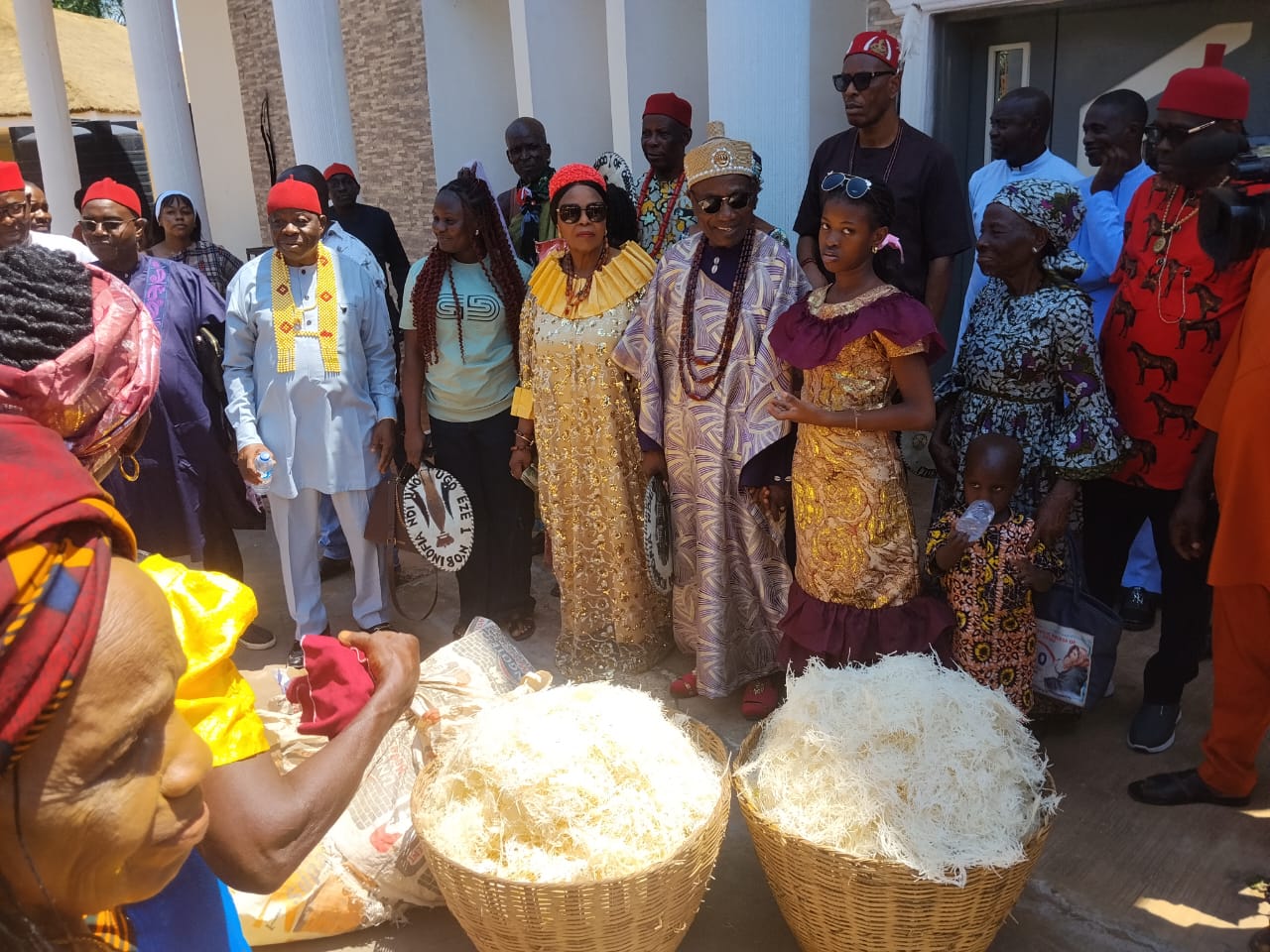
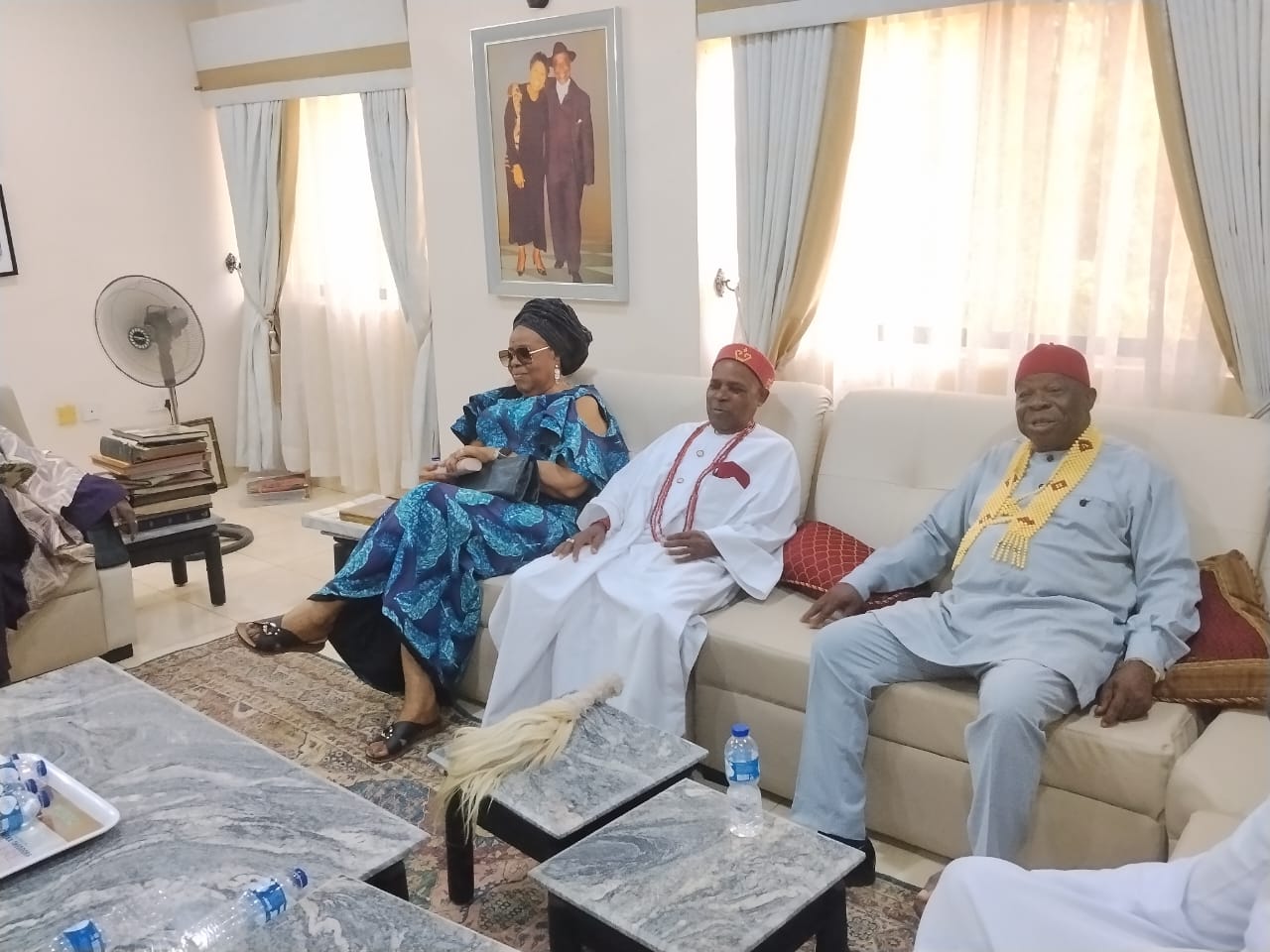
The Villages of Obinofia Ndiuno
Six villages carry the memory of the five sons of Agueze. Each has its own character, hamlets, boundaries and place in the life of the community — as described in the historical archive.
Umuawo
Descendants of Awo — eldest son
Overview
Umuawo is the eldest and smallest village in Obinofia Ndiuno in terms of population density. It is composed of about five families, all living in a cluster of few houses, at the Northern end of the community, sharing boundaries with Umumba. It could perhaps be an erroneous belief that Umuawo is the eldest son of Agueze (Obinofia); another school of thought holds that he was the elder brother to Agu Eze.
Historical origin & character
In every gathering, the people of Umuawo are called upon to pray before the kola is broken — not minding how young or lowly placed one may be. They are also given the dreg of palm wine in gatherings that compose other villages of the community, in keeping with seniority tradition.
Umuawo has a very large expanse of land in Obinofia Ndiuno. Most of the people of other villages depend on them for plots of land to farm on. Prior to a historic epidemic, Umuawo had about seven hamlets extending to Ugwu Anagba hill, and was one of the most thickly populated villages — but it was reduced to only two thinly populated hamlets (Ogbaja).
Hamlets
Ogbaja (two thinly populated hamlets).
Media
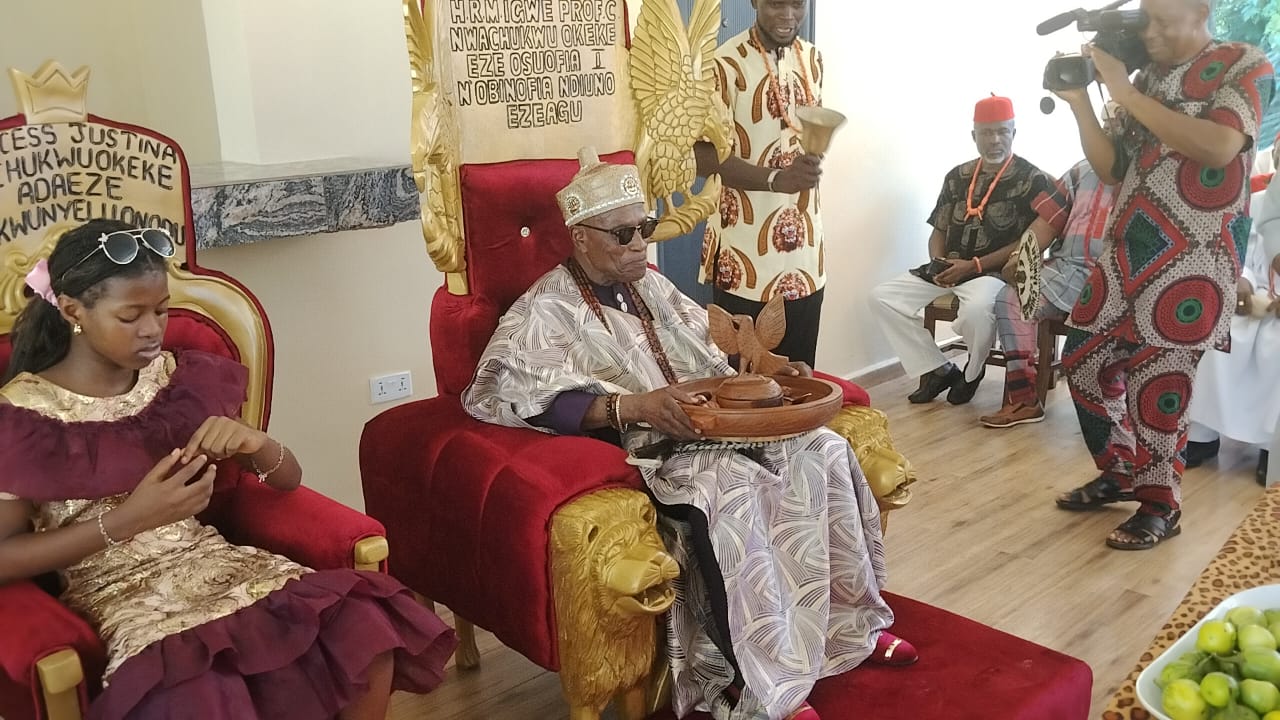
.jpeg)
Umueze
Descendants of Ezeaboshi (Uka) — second son
Overview
Umueze Aboshi (Uka), as popularly believed, is the second son of Obinofia, the descendant of Umueze village, which is located on the serene hills at the south end of the community. Its hilltop setting limits expansion and gives the village a congested structure — which itself accounts for its intense socio-political awareness.
Location & hamlets
The village comprises Ugwu Umueze, made up of Ogugu Umungwoli and Amaeke, and Imeama, made up of Ugwuakulu and Umuobo. The people predominantly live on the hills and, scantily, on the valley. Umuobo and part of Ugwuakulu are on a gentle hill. Umueze shares common boundaries with Oji River Urban, Ugwuoba and Nachi; internally it shares boundaries with Umuonaga, Okposhi and Umuezeagu, and has a large area of land extending to the river through Agu-anwu and Gwogwo River areas.
Character
Behaviourally, Umueze seemingly has the highest concentration of rascals, radicals and negativists in the community — at times with positive effects, most of the time negative. The book calls it the social and political heartbeat of the community. The people are predominantly farmers and artisans, and have held most political positions in Obinofia Ndiuno since Nigerian Independence in 1960.
Why Umueze lives on the hills: history records that when the historic epidemic that nearly extinguished the descendants of Awo became too serious, Ezeaboshi vacated his land and escaped far onto the hills, and settled there permanently, abandoning his brother.
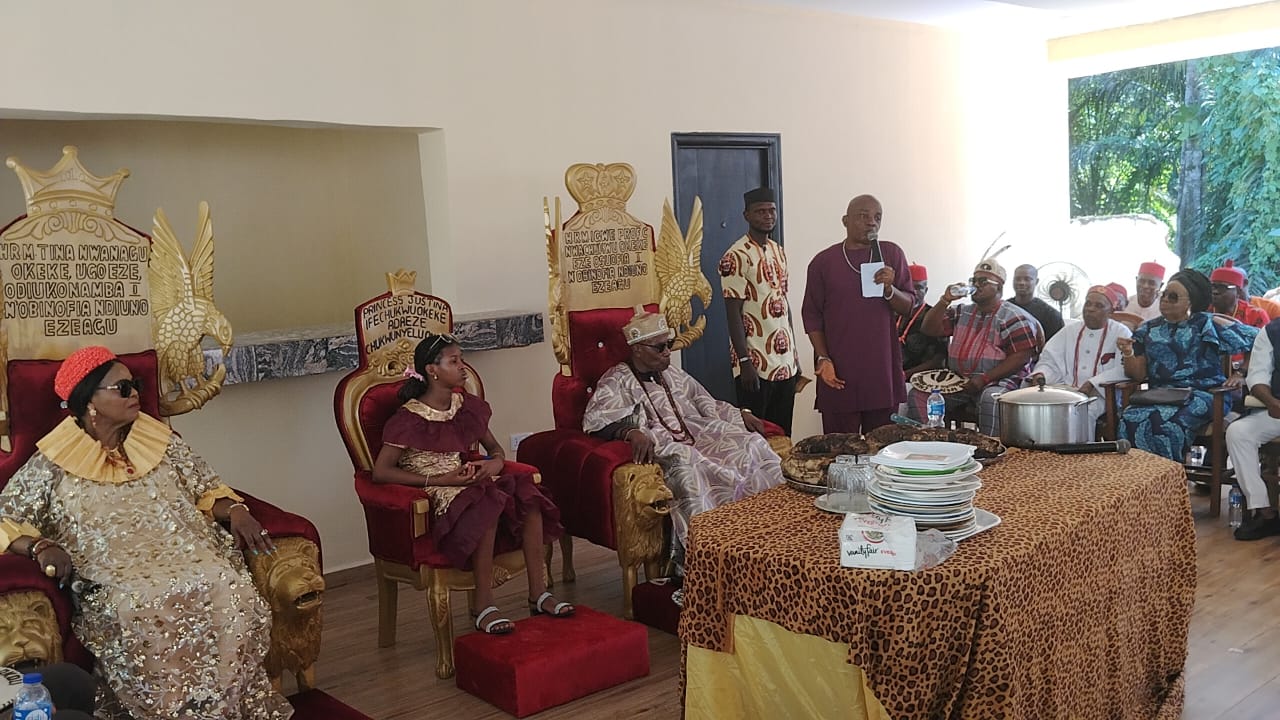
Media
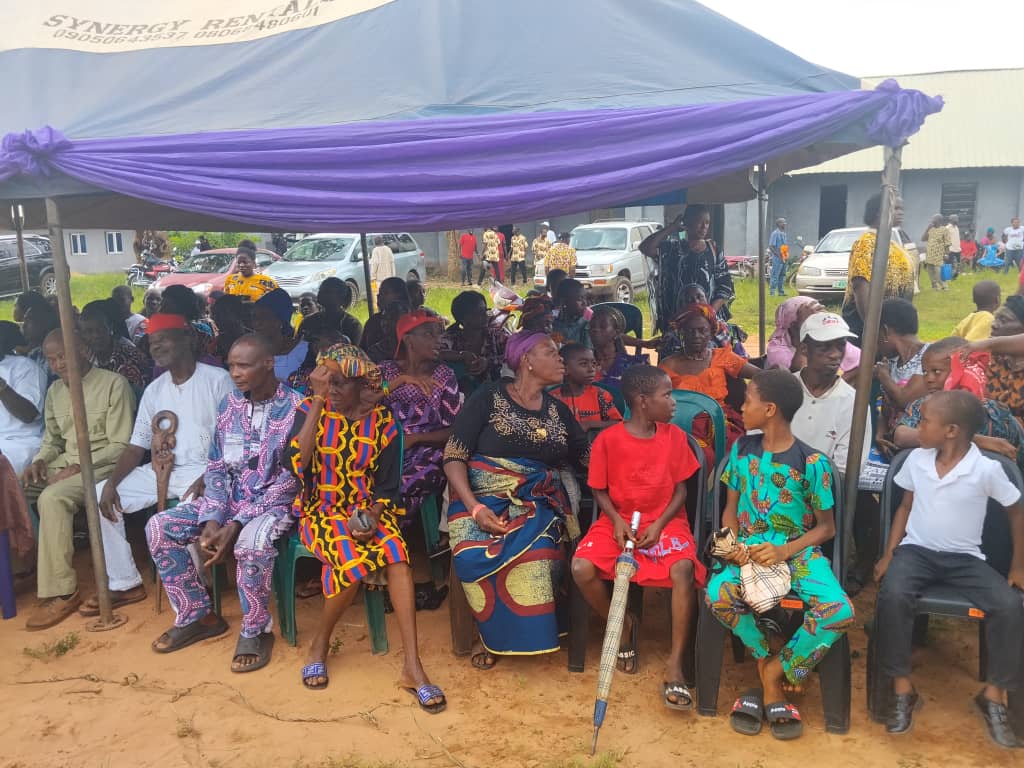
Umuezeagu
Descendants of Ezeagu (Uka) — third son
Overview
Umu (Ezeagu Uka) is the third son of Agueze, named after their grandfather Ezeagu. The village is located at the north-eastern end of the community, sharing boundaries with Umumba and Umana; on the other side it shares boundaries with Umuonaga, Umueze, Okposhi and Umueze villages, and is partly located at the centre of the community.
Hamlets
Ogbagu, Ishieke and Umuojo, in order of seniority.
Character & culture
Occupationally, the people are mostly farmers, farming at Agu Umuezeagu where they keep farm houses with racks. The name Umuezeagu, to an average Obinofia man, is synonymous with cunning, cheating and craftiness — like the tortoise in Igbo mythology — though the description is a caricature recorded in the book.
The village is closely associated with the community’s rain-making account: the ancient rain-making power passed from Umuemeshi of Umuonaga to an undisclosed Umuezeagu man from Ogbagu, through maternal relationship. The families known for rain making include the Anichee, Ezeji, Ekwe and Chikakwe families and the Umuaghaa kindred. The Anichee and Gregory O’s families of Ishieke are said to command the harmattan wind, while the Okonkwo Agu family of Umuojo is associated with thunder.
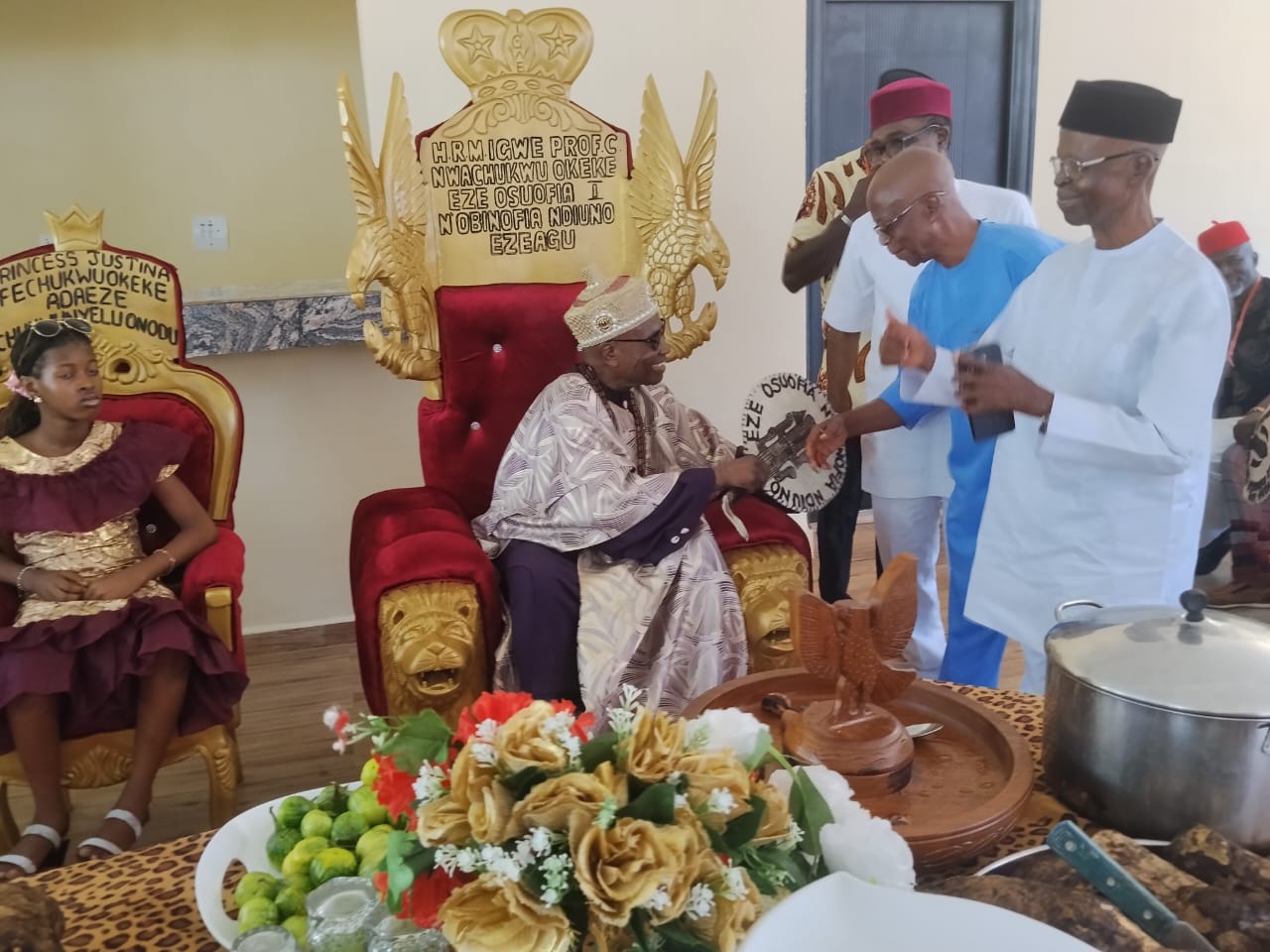
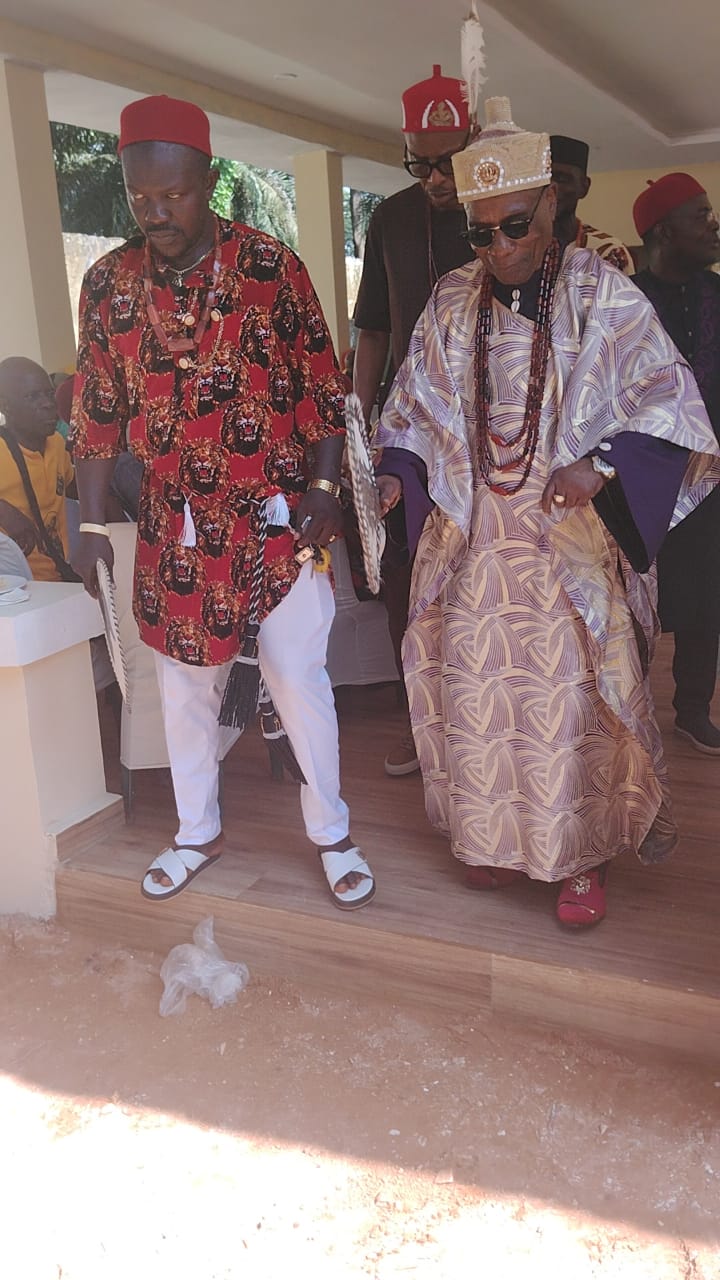
Media
Okposhi
Descendants of Oshie — fourth son
Overview
Oshie is the fourth son of Agueze, with his descendants as the Okposhi village or Ndi Okposhi. It is the first village on the major road into Obinofia Ndiuno from the Enugu–Onitsha expressway — better described as the “gateway to Obinofia”. It has two hamlets: Umu Otiligwo and Izuogu.
Boundaries
Okposhi shares boundaries with Nachi in Udi Local Government Area at the old N.A. (Native Authority) road, and with Okpudo and Obeleagu Umana. Internally, it shares boundaries with Umuezeagu and other villages, and generally lives on level land.
Character & the Aja Ozokoli
In population, Okposhi could be rated with Umuawo as second in low population density. It is the direct elder brother to Umuonaga, with a closer blood relationship — perhaps maternal — than with others. Its location at the very entrance into the community is a testimony of its strength and valor.
Okposhi used to be the “Defence Headquarters” of Obinofia Ndiuno, based on its strategic location. Their defensive mechanism and tactics can be seen in the erection of the popular ancient Aja Ozokoli, a defensive, protective and indeed offensive wall by the Okposhi people in self-defence, and indeed in the defence of the entire community. The remains of the ancient wall could still be traced, although it is gradually wearing away with time.
The book also records that, in contrast to their communal valour, Okposhi suffers endless internal wrangles — it appears the most controversial and disagreeable settlement, hence referred to as O du ike n’umuyo, meaning “Domestic Warlords”.
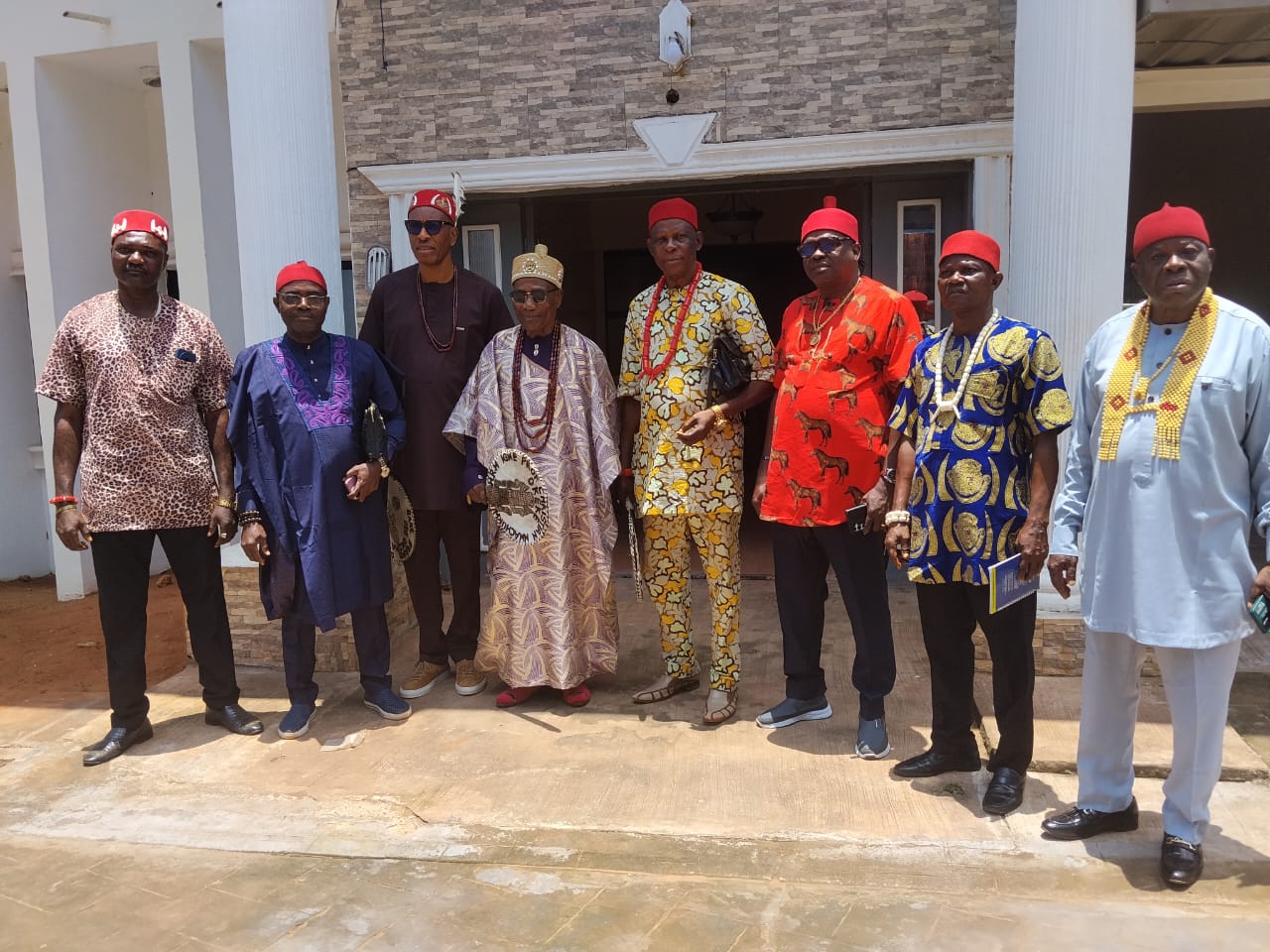
Media
.jpeg)
Umuonaga
Descendants of Onaga — fifth and last son
Overview
Umuonaga village is composed of the descendants of Onaga, last son of Agueze (Obinofia). Onaga is pronounced “O (Ndu) no-aga” (life goes on), denoting continuity. Umuonaga occupies the western end of the community, extending towards Obinofia Ndiagu, and shares boundaries with Umuezeagu and Umueze villages.
Hamlets
Eight hamlets: Amaogbu, Umuokeyi, Umuogakwu, Okamkpam, Onuobodoyi, Ozom, Ihuezi and Umuagulu. Some live on the hills (part of Enugwuagu — Ime — and part of Amaogbu), the rest on level land.
Character
Umuonaga is the largest in land mass and the most thickly populated village. Other villages depend on it for yearly farming and flocks’ pastures. Because of the population advantage, other villages lobby Umuonaga when occasion calls for numbers. The book describes the people as hospitable and humane but not easily submissive to threats, and notes they lack unity — whence the caricatures “Akwukwo akpaka” (oil bean leaves, which cannot be used for wrapping) and O di igwe, di uko (“a worthless majority”).
The high population origin
The thick population of Umuonaga is said to have come from the fact that Onaga had no male child. He was reluctant to give his daughters in marriage out of fear of loneliness and threatened extinction, so he compelled suitors to marry his daughters in his house and raise children there. Suitors of diverse trades came — the hunter who gave birth to Ozom, the basket weaver who raised Amaogbu, the labourer who gave birth to Umuokeyi, and most recently the blacksmith who gave rise to the Umuagulu hamlet.
Ihuezi (integral part of Umuonaga)
Ihuezi is divided into Ndieke (southern end) and Ndiafor (north), a mixture of Umuonaga clans. Named for its central location and rich natural features — rivers, lake, cave, waterfall, hills, streams and springs — it is home to the Giant Cave and Heneke Lake.
Clans of Umuonaga include Umuosolu, Umumboyi, Umuokoro, Umuovaa and Umuemeshi. Umuagulu traces its origin to Nwa Agulu, the blacksmith from Agulu (Anambra State), and retains matrilocal identity traits.
Media
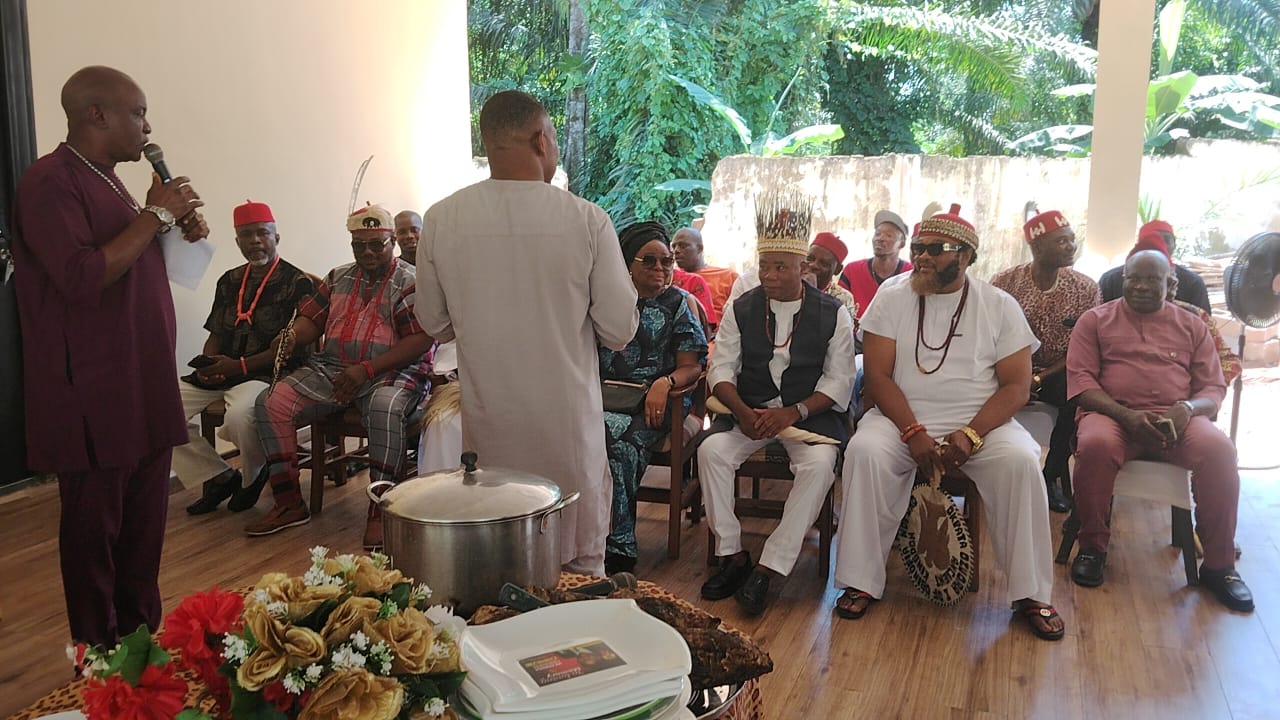
.jpeg)
Obinofia Ndiagu
“Those living in the farm”
Overview
For fear of invasion, especially from the people of Ugwuoba, and for convenience, the people decided to divide themselves into two, so that one group migrated to the Ugwuoba–Ebenebe end, whence Obinofia Ndiagu (meaning “those living in the farm”) and Obinofia Ndiuno (meaning “those living at home”, i.e. the ancestral home).
Every village in Ndiuno is mirrored in Ndiagu. Anyone who does not trace their lineage to both areas is regarded as a stranger with no Ogonogo ezi (ancestral deity).
Historically, the migration of the Aguoba (Okpudo) people to Obinofia Ndiuno is described as synonymous with the migration of the defunct Okpuata people to Obinofia Ndiagu under a similar circumstance.
Media