The Traditional Ruler
The leadership institutions recorded in the archive — and the palace institution, whose current occupant will be added when the community provides verified information.
.jpeg)
About the Traditional Ruler
«Traditional Ruler information will be added to the archive.» The historical book scanned into the archive does not name a modern Igwe or Eze, nor any traditional stool biography.
Traditional Leadership
What the archive does record is the community’s formal leadership structure:
- The Ozo institution (Otu Ozo) — the titled men of the community are the custodians of the people’s culture. They protect and promote the culture and settle disputes concerning culture and tradition (land disputes, marriage controversies, crimes against the land), expecting to be just and fair in judgement.
- The elders (Ndi Ogaria) — the seniormost generation, whose words are quoted as “words of wisdom”.
- The Okpara/Ada seniority system — respect for biological seniority in kindred and village assemblies, with the Okpara (eldest male) and Ada (first daughter) roles.
Community Leadership
Community leaders act through the Umunna (kindred councils), the Otu Ada, the Otu Umunwanyi and the village assemblies at their squares (Obodo). An Umunna that finds a member negligent fines, and ultimately ostracizes the offender — no one wins a case against his Umunna. This is why the people say, Umunna bu Ike.
Public Appearances & Community Events
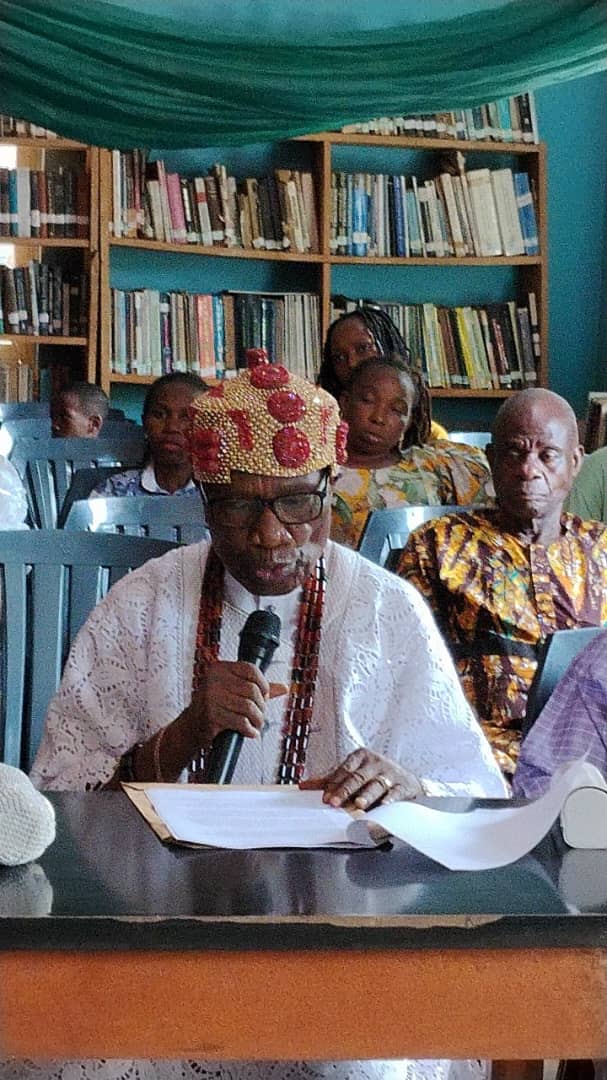
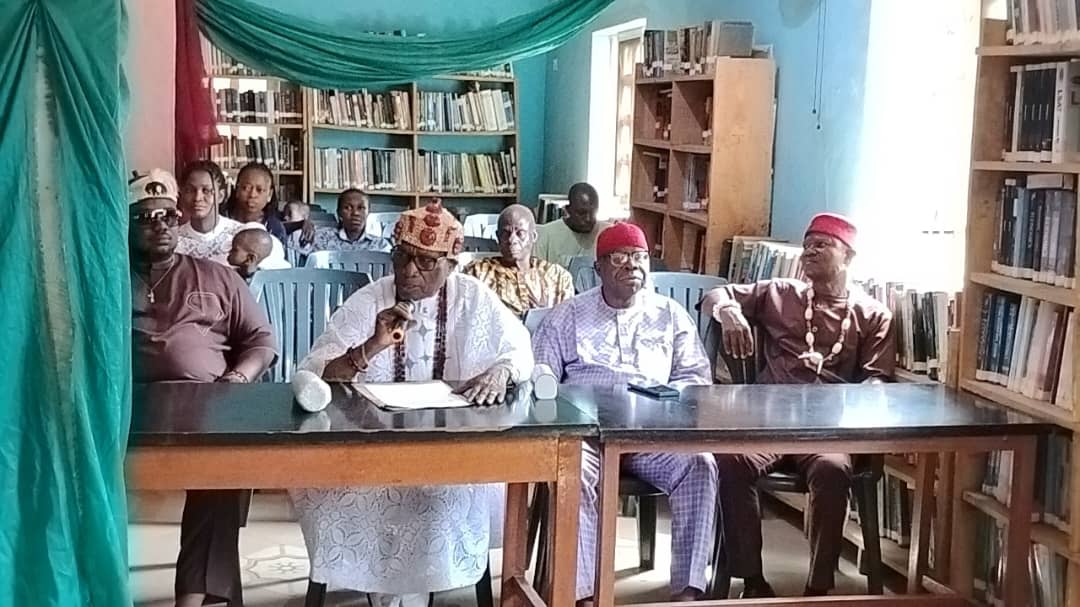
Photographs and video of leadership at community events will be added here when they are collected and verified.
The absence of a named ruler in the scanned portion (pp. 12–72) reflects the state of the archive. Pages 1–11 and page 63 are not yet scanned and could contain leadership material.