Awo
Village: Umuawo
Role: Eldest of the five sons; his descendants are the eldest and smallest village, prayed-for before kola is broken.
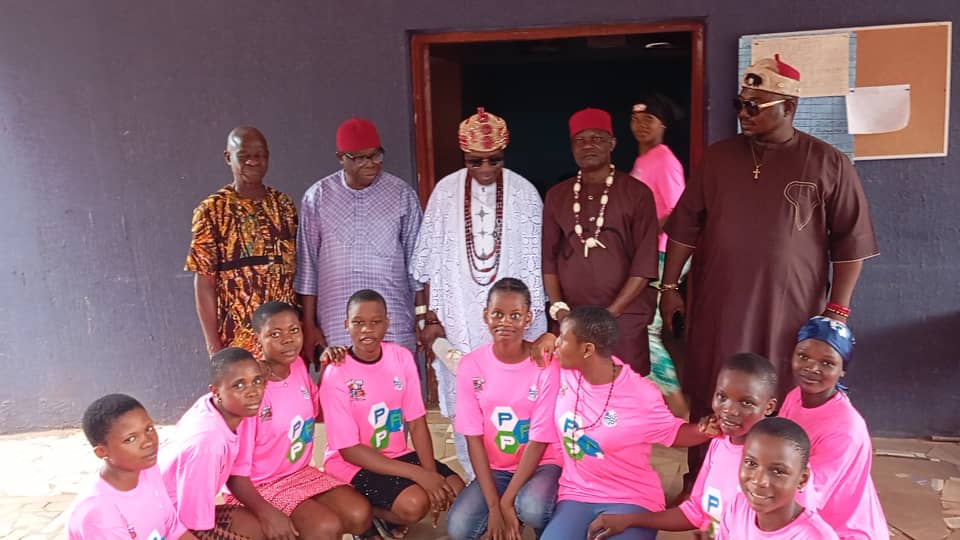
Photos/Videos: Provisional community photograph only; no authentic portrait exists.
Source: Book, pp. 13–15.
The people and families recorded in the historical archive. Every profile is grounded in the source material; no family relationships are invented where the book is silent.
.jpeg)
Ancestor · founder figure
Agueze was a celebrated hunter and farmer, the ancestor whose adventurous wild life gave the community its name, O bu n’ofia (“jungle dweller”). Brave, strong, resourceful and self-reliant, he built a hut in the farm from which he hunted and eventually settled permanently.
At the partitioning of the land, his father allocated him the boundary portion where disputes were anticipated, so that as a strong man he could secure the land and protect others.
.jpeg)
Oral tradition
A more popular belief holds that Agueze (Obinofia) gave birth to five sons of three different mothers; another belief holds that Agueze was a younger brother to Awo. Both traditions are preserved.
Village: Umuawo
Role: Eldest of the five sons; his descendants are the eldest and smallest village, prayed-for before kola is broken.
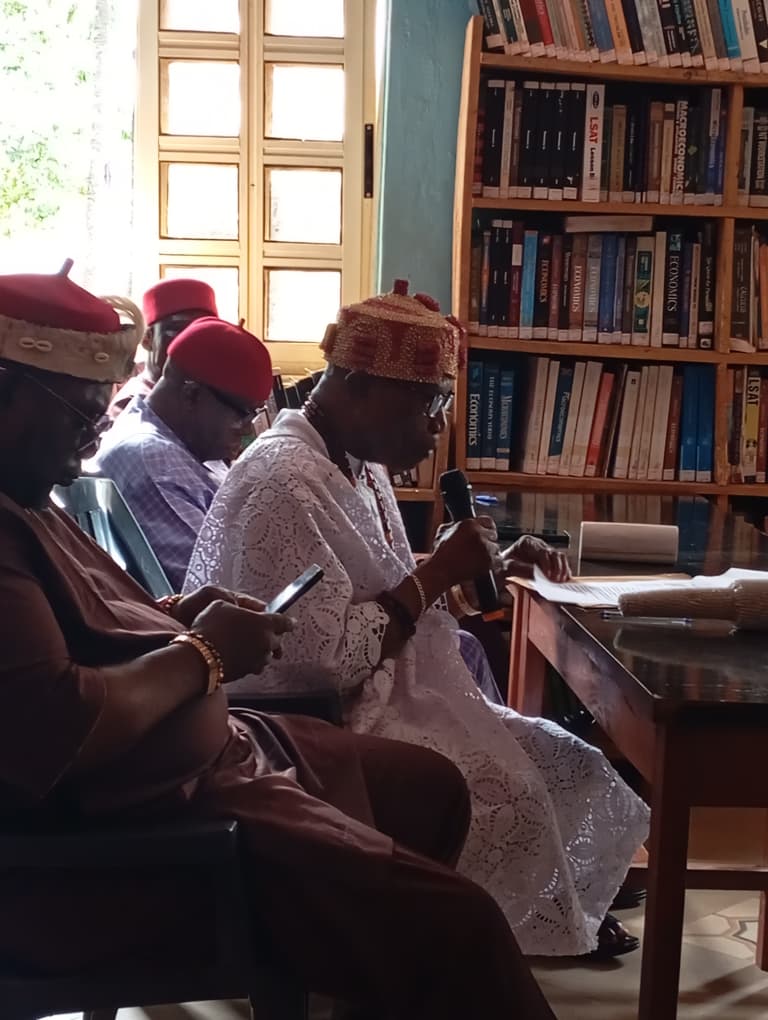
Photos/Videos: Provisional community photograph only; no authentic portrait exists.
.jpeg)
Village: Umueze
Role: Second son (Eze Aboshi, Uka); his descendants live on the hills at the south end.
Village: Umuezeagu
Role: Third son, named after their grandfather Ezeagu (Uka).
.jpeg)
Village: Okposhi
Role: Fourth son; descendants at the “gateway to Obinofia”.
.jpeg)
Village: Umuonaga
Role: Fifth and last son, child of old age; “O (Ndu) no-aga”, life goes on.
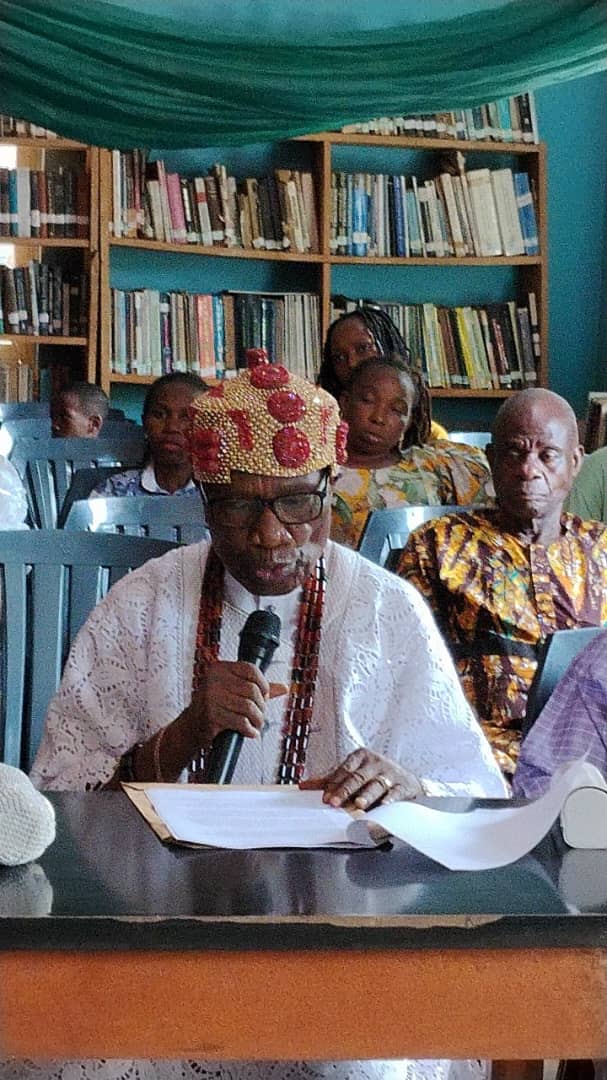
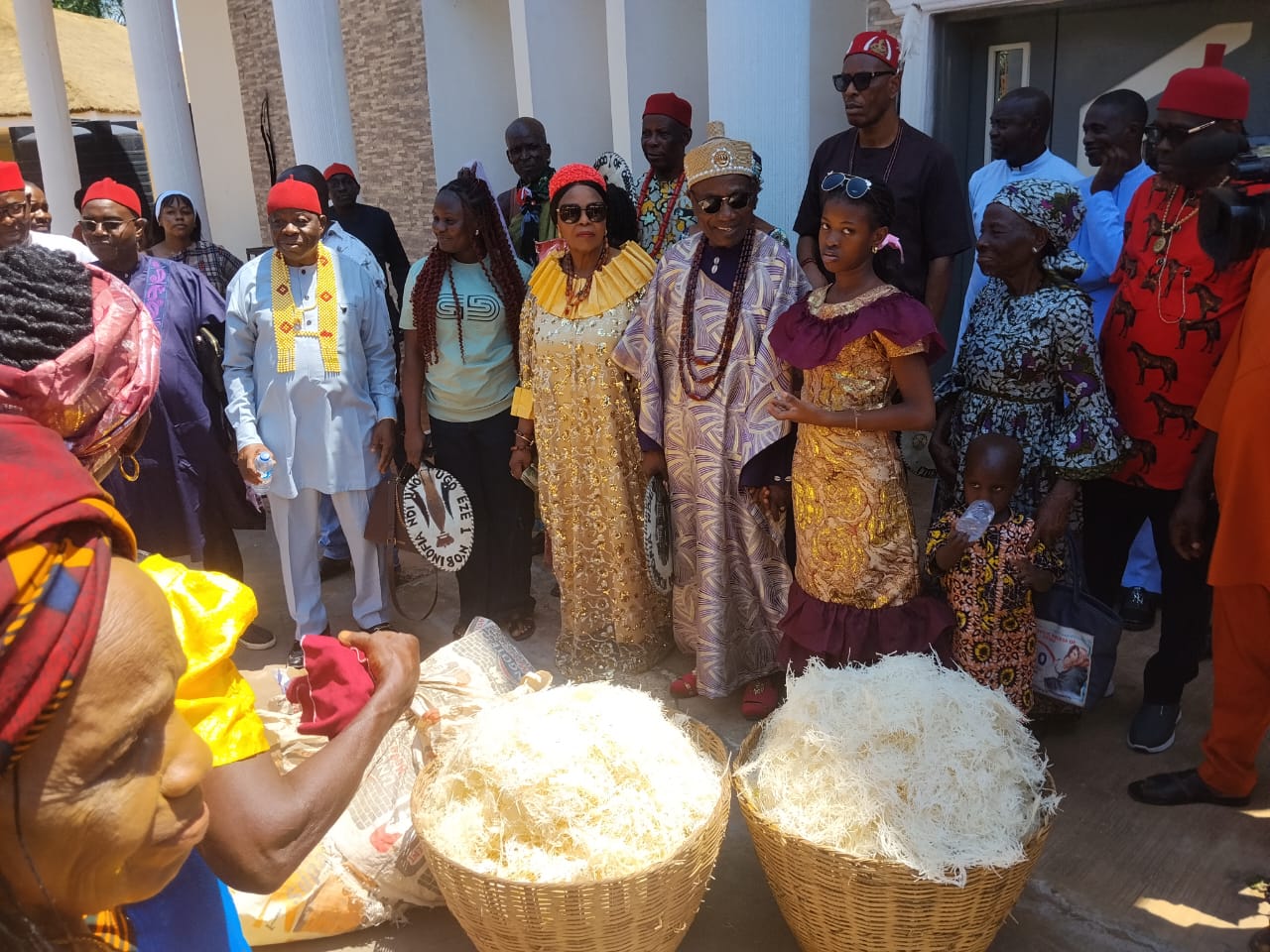
Individual cards record Name, Historical role, Connection to the community, Related village, Source reference, and media. Avatars shown are provisional community photographs; no authentic historical portraits exist, so identities are never attributed. Only fields supported by the source are filled.
The leadership institutions recorded are the Ozo titled men (custodians of culture), the elders (Ndi Ogaria), and the Okpara/Ada seniority system.
Traditional LeadershipHistorical figure in oral tradition
A blacksmith from Agulu (present Anambra State) who, outcast from his kinsmen at Obeleagu Umana, found his way to Obinofia Ndiuno. Welcomed as Uzu (blacksmith), he settled at Owuzu square, sited his furnace, and made the place busy like a tourist centre — the furnace light giving it the name Onwa Uzu, “the blacksmith’s moon”.
.jpeg)
Named elder · source of an account
The late elder James Ezenagu of Enugwuagu Umuonaga village is named in the archive as the source of the history of the migration of Umu-obia (Aguoba) to Obinofia Ndiuno, which he dated to the 18th century.
Families and kindreds named in the archive:
| Family / Kindred | Village / Settlement | Association |
|---|---|---|
| Umuagulu | Umuonaga | Descendants of Nwa Agulu the blacksmith; matrilocal traits; Ishi nwa ada practice (abolished ~1975). |
| Umuosolu, Umumboyi, Umuokoro, Umuovaa, Umuemeshi | Ihuezi (Umuonaga) | Clans that shared the Ihuezi frontage. |
| Umuemeshi Onu Obodoiyi | Umuonaga | Origin of rain making. |
| Anichee, Ezeji, Ekwe, Chikakwe; Umuaghaa kindred | Umuezeagu | Rain making; sacred Ede mii forests. |
| Anichee & Gregory O’s families | Ishieke, Umuezeagu | Harmattan wind powers. |
| Okonkwo Agu family | Umuojo, Umuezeagu | Thunder. |
| Chiakwa Oke family | Okposhi | Rain making. |
| Okafor Ozoezi | Imeama Enugwuagu, Umuonaga | Named in the thunder-justice story. |
| Umeali Nwankwo | Imeama Enugwuagu, Umuonaga | Named in the thunder-justice story. |
These associations come directly from the book (pp. 22–28, 40–42). The powers and practices described are presented as the community’s traditions and beliefs.