.jpeg)
Awo
Eldest of the five sons. His descendants form the village of Umuawo, the eldest and smallest village of Obinofia Ndiuno.
Source: Book, pp. 13–15.
.jpeg)
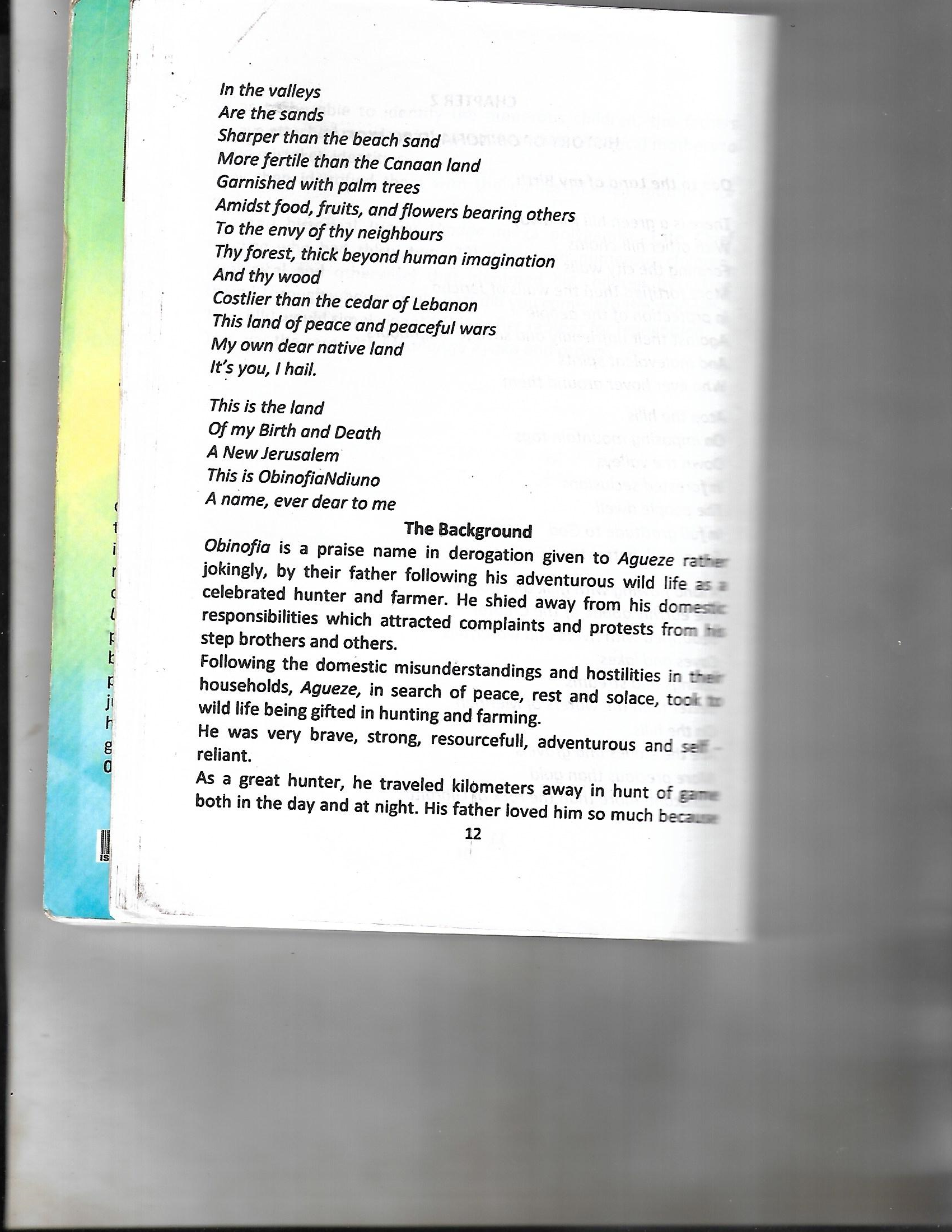
“This land of peace and peaceful wars, my own dear native land — it is you I hail. This is the land of my birth and death, a New Jerusalem. This is Obinofia Ndiuno, a name ever dear to me.”
Source: Obinofia Ndiuno Historical Archive, Book, p. 12 (opening poem).
Obinofia is a praise name given in jest to the ancestor Agueze by his father, following his adventurous wild life as a celebrated hunter and farmer — “O bu n'ofia”, the “jungle dweller”.
According to the community’s historical account, Agueze was brave, strong, resourceful and adventurous. In search of peace, rest and solace after domestic misunderstandings in his household, he took to the wild life, being gifted in hunting and farming. He built a hut in the farm where he hunted, and eventually settled permanently.
The account further holds that Agueze (Obinofia) gave birth to five sons of three different mothers: Awo, Ezeaboshi, Ezeagu, Oshie and Onaga. At the same time, another school of thought holds that Agueze was a younger brother to Awo. Both traditions are preserved here rather than choosing one as unquestionable fact.
The community later divided into Obinofia Ndiuno (“those living at home”) and Obinofia Ndiagu (“those living in the farm”), sharing boundaries with Umumba, Nachi, Ugwuoba and Ebenebe, and maintaining cordial relations with its neighbours Umana, Umumba and Aguoba.
.jpeg)
A more popular belief among the people is that Agueze (Obinofia) gave birth to five sons of three different mothers: Awo, Ezeaboshi, Ezeagu, Oshie and Onaga. Oral tradition also records the alternative view that Agueze was a younger brother to Awo.
Eldest of the five sons. His descendants form the village of Umuawo, the eldest and smallest village of Obinofia Ndiuno.
Second son, also known as Eze Aboshi (Uka). His descendants inhabit Umueze village, on the serene hills at the south end of the community.
.jpeg)
Third son, named after their grandfather Ezeagu (Uka). His descendants live in Umuezeagu, at the north-eastern end of the community.
Fourth son of Agueze. His descendants form Okposhi (Ndi Okposhi), the “gateway to Obinofia” on the major road from the Enugu–Onitsha expressway.
.jpeg)
Fifth and last son of Agueze, the child of his old age. Pronounced “O (Ndu) no-aga”, meaning “life goes on”. His descendants form Umuonaga, the largest village.
.jpeg)
Agueze was a celebrated hunter and farmer who shied away from domestic responsibilities, attracting complaints from step-brothers and household unrest. In search of peace he took to the wild life. His father, in jest, called him “O bu n'ofia” — “jungle dweller” — which with time became the praise name of the whole community.
He built a hut in the farm where he hunted, and eventually settled permanently. His father, during partitioning, allocated him the portion where boundary disputes with neighbours were anticipated, because as a strong man he could secure the land and protect others.
“Leave that O bu n'ofia (jungle dweller),” the father would joke, connoting his son’s adventurous life.
This account is community oral history as recorded in the source book; it is presented as tradition, not scientific fact.
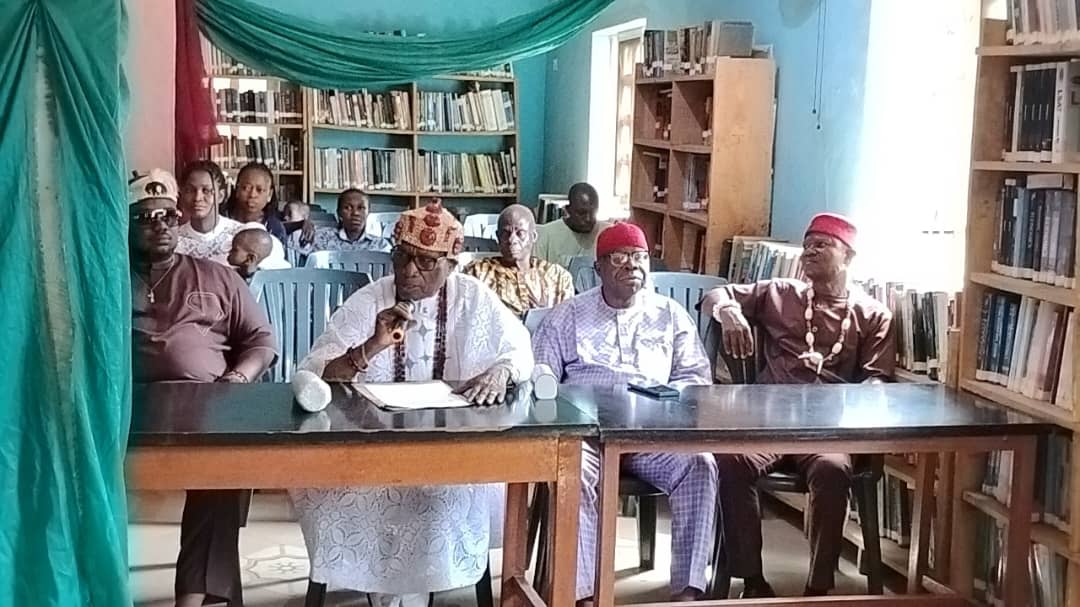
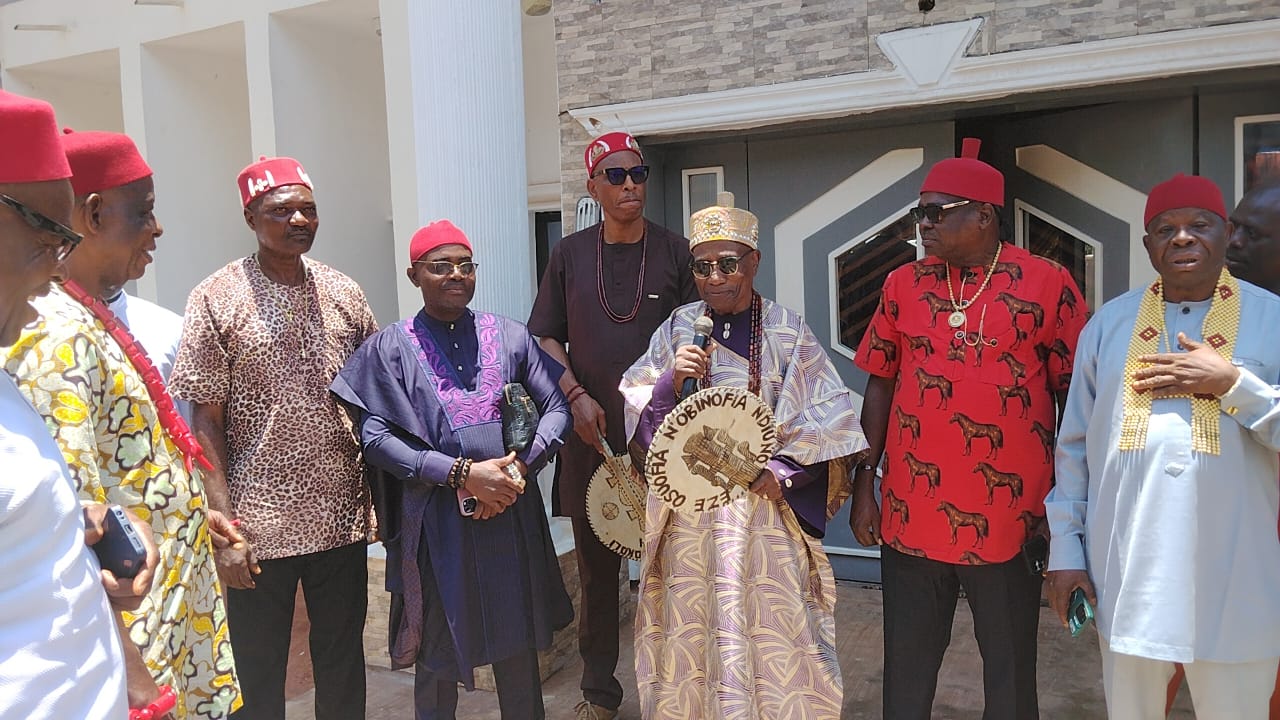
Leadership institutions recorded in the archive include the Ozo title holders (Otu Ozo) as custodians of culture, the elders (Ndi Ogaria), and the Okpara/Ada seniority system.
.jpeg)
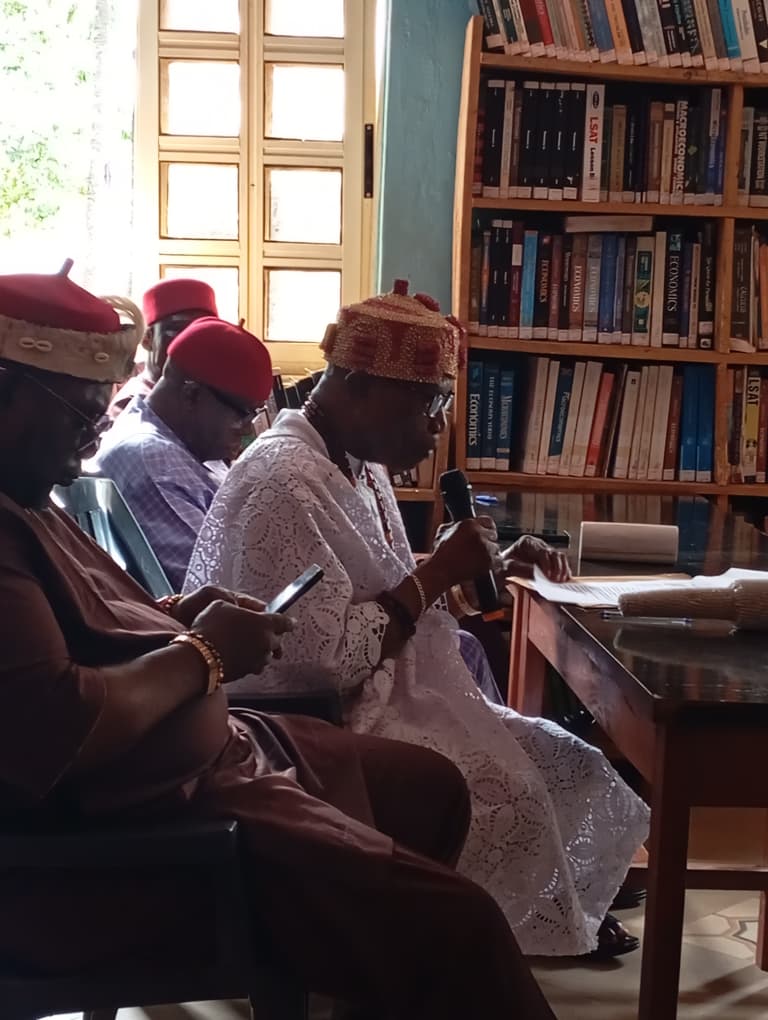
The scanned historical book does not name a modern Igwe or Eze. What the archive does record is the formal leadership structure of the community: the Ozo institution, whose members are the custodians of the people’s culture and settle disputes concerning culture and tradition; the elders (Ndi Ogaria); and the seniority system rooted in Okpara and Ada.
Six villages carry the memory of the five sons of Agueze. Each has its own character, hamlets and history.
Eldest and smallest village; northern end of the community, sharing boundaries with Umumba. Descendants of Awo. Large expanse of farmland; rich in land.
Village profile →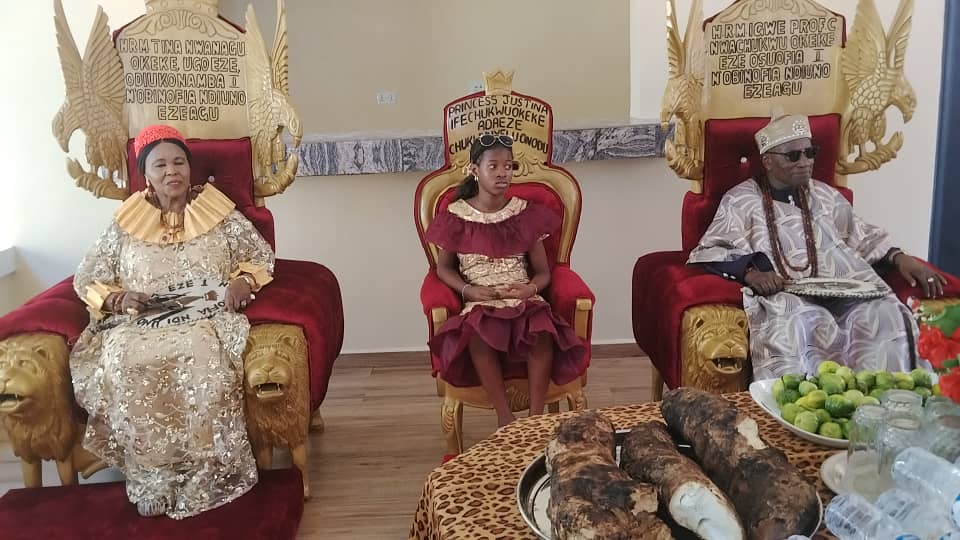
Second son’s village; on the serene hills at the south end. Shares boundaries with Oji River Urban and Nachi. The social and political heartbeat of the community.
Village profile →.jpeg)
Third son’s village; north-eastern end. Farmers with farm houses at Agu Umuezeagu; known for rain-making powers from the sacred forests Ede mii.
Village profile →.jpeg)
Fourth son’s village; first village on the major road into Obinofia from the Enugu–Onitsha expressway — the “gateway to Obinofia” and its former “Defence Headquarters”.
Village profile →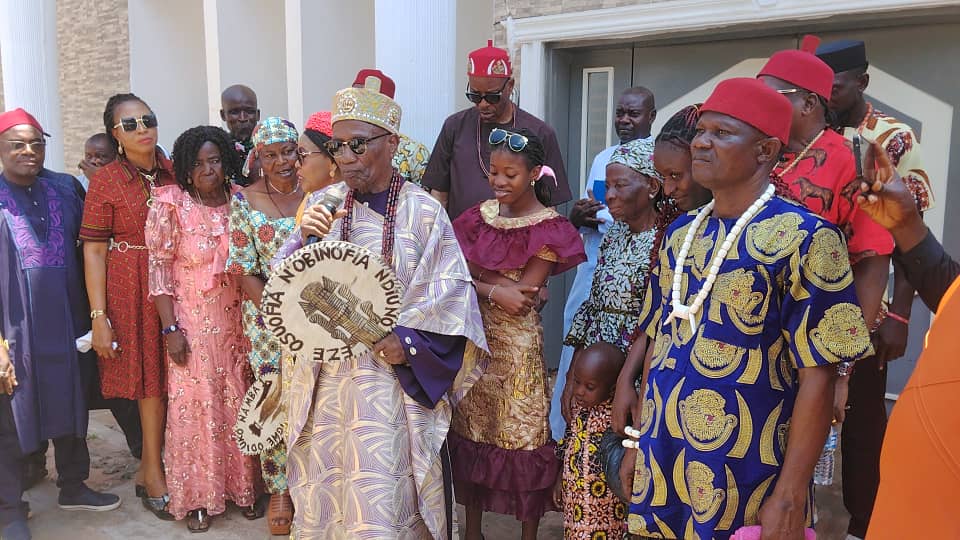
Descendants of Onaga, last son of Agueze. The largest village in land mass and population; western end, extending towards Obinofia Ndiagu. Eight hamlets.
Village profile →.jpeg)
The sister community born of the division: “those living in the farm”. Every village of Ndiuno is mirrored in Ndiagu; shared ancestral identity and origin.
Village profile →Following the people’s hospitality in a founding legend, the streams, rivers, springs, hills, caves and lakes of the community are remembered as a covenant of waters. These are the landmarks the community calls its natural endowments.
.jpeg)
The “world giant cave” of Ihuezi — endless corridor, church-gate entrance, royal parlour and throne, giant bats, and refuge during the Nigerian Civil War.
Explore the cave →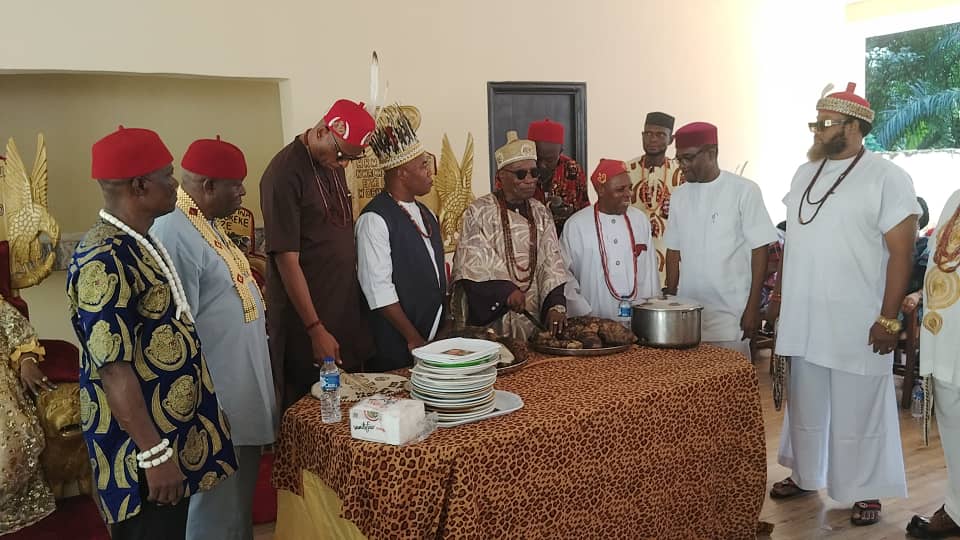
Sacred, believed bottomless and unswimmable. Its waters are said to flow upward in the morning, stand still at noon, and flow downward in the evening — a symbol of covenant.
Explore the lake →.jpeg)
A spring-stream that foams more than the most active detergent, flowing through a rocky passage — said to produce the purest water in black Africa.
Explore the waterfall →The people of Obinofia Ndiuno are sociable, friendly, humorous and accommodating. Visitors are always presented with kola; the visitor is offered water to drink and wash hands before kola is presented. Returning from the streams, one hears the voice inviting a passerby, “Taa nujigbo mii” — a mark of the people’s hospitality.
The society organizes itself through the Otu Umunna (kindred): the strongest tie among the people — Umunna bu Ike. Other groups include the Otu Ada, Otu Nwunye di, Otu Umunwanyi, Otu Mmowu (the masquerade society) and Otu Ozo, the custodians of culture.
Handshaking itself is an art: a covenant (i gba ndu), governed by etiquette that distinguishes titled men, peers, women and masquerades — while the left hand is regarded as Aka Ekwensu, the evil hand.
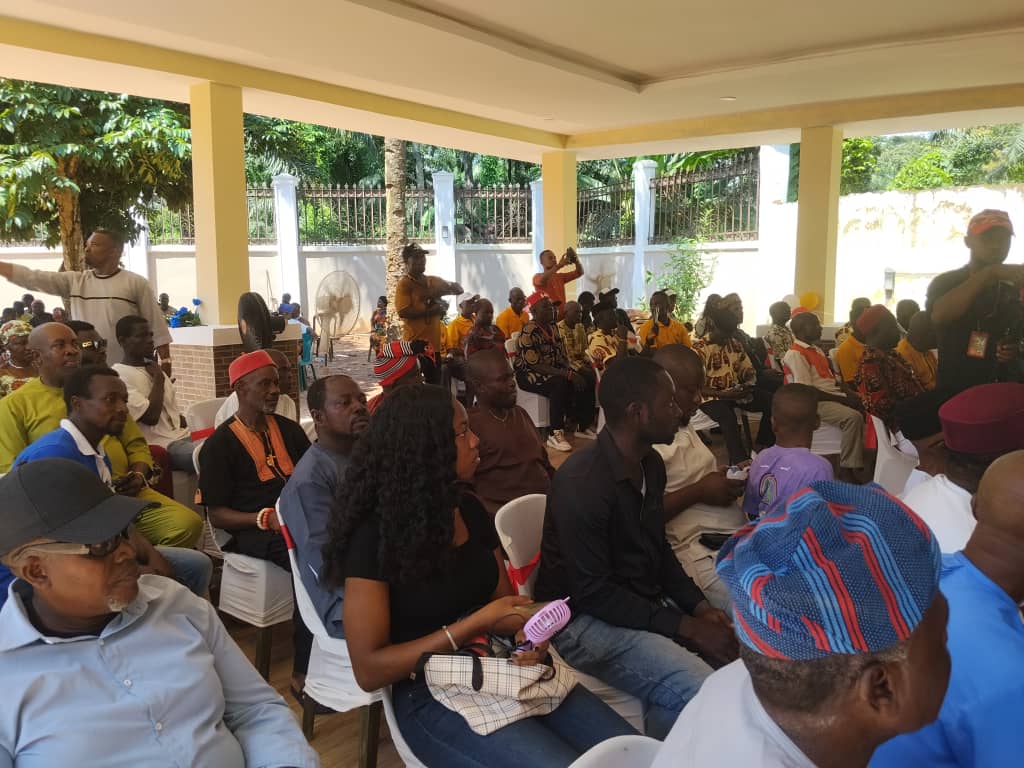
Festivals described in the archive include the masquerade festivals Aniugwu and Onwaito, new yam, moonlight games and masquerade plays (Udunyanya, Akpankoro), and the annual sacrifice rites at Heneke Lake and O gba-agada.
Masquerade festivals regulated and enforced by the Otu Mmowu — the socio-cultural group in charge of masquerading.
New yam celebrations are shared with neighbouring communities, with slight variations in custom.
Udunyanya, Akpankoro and other moonlight plays fill village squares (Obodo) for the children.
An annual sacrifice is carried out at the sacred lake to appease its spirit; failure to do so is said to make it overflow and wreak havoc on farmlands.
The spirit of the waterfall is appeased once a year with sacrifice of goat, fowl and more.
Marriage, burial, naming and Ozo title ceremonies — shared with neighbours and steeped in etiquette of kola, wine-sharing and seniority.
Each story in the archive is classified — as legend, oral tradition, traditional belief or historical account — and is never presented as scientific fact.
The founding legend of the natural endowments: how waters were commanded to flow down to Obinofia as a reward for hospitality.
The story of the over-reserved man, the shifting stone, and the flood that formed the sacred lake.
The blacksmith from Agulu who settled in Umuonaga, built his furnace at Owuzu square, and gave rise to the hamlet Umuagulu.
How a strange laughing couple in the wild-banana forest gave the town of Nachi its name.
The story of two brothers whose disputed kola tree was split into equal parts by a thunder blast.
The community’s account of rain-making clans, sacred forests (Ede mii), and the transfer of the art from Umuemeshi to Umuezeagu.
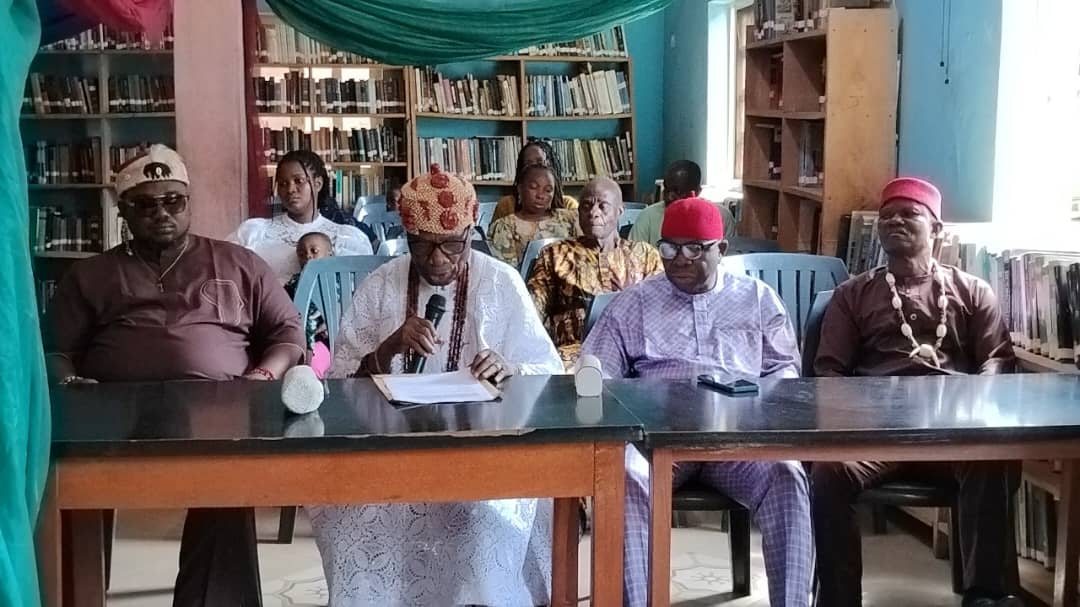
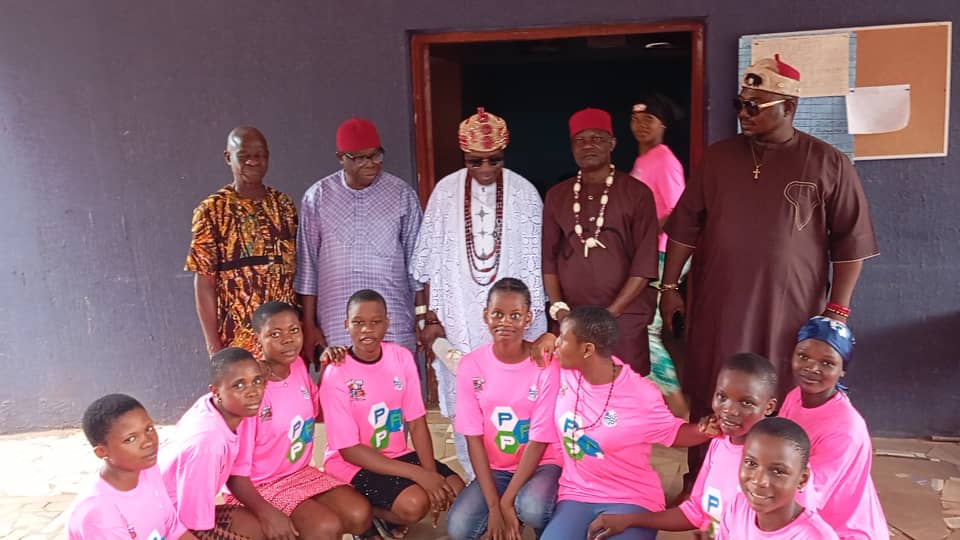
The community’s photographs and films are collected from families and events, organized by subject. The Maiden New Yam Festival (5 September 2026) and the Inwelle 2026 Boot Camp are now published in the archive.
.jpeg)
32 photographs from the Maiden New Yam Festival, 5 September 2026.
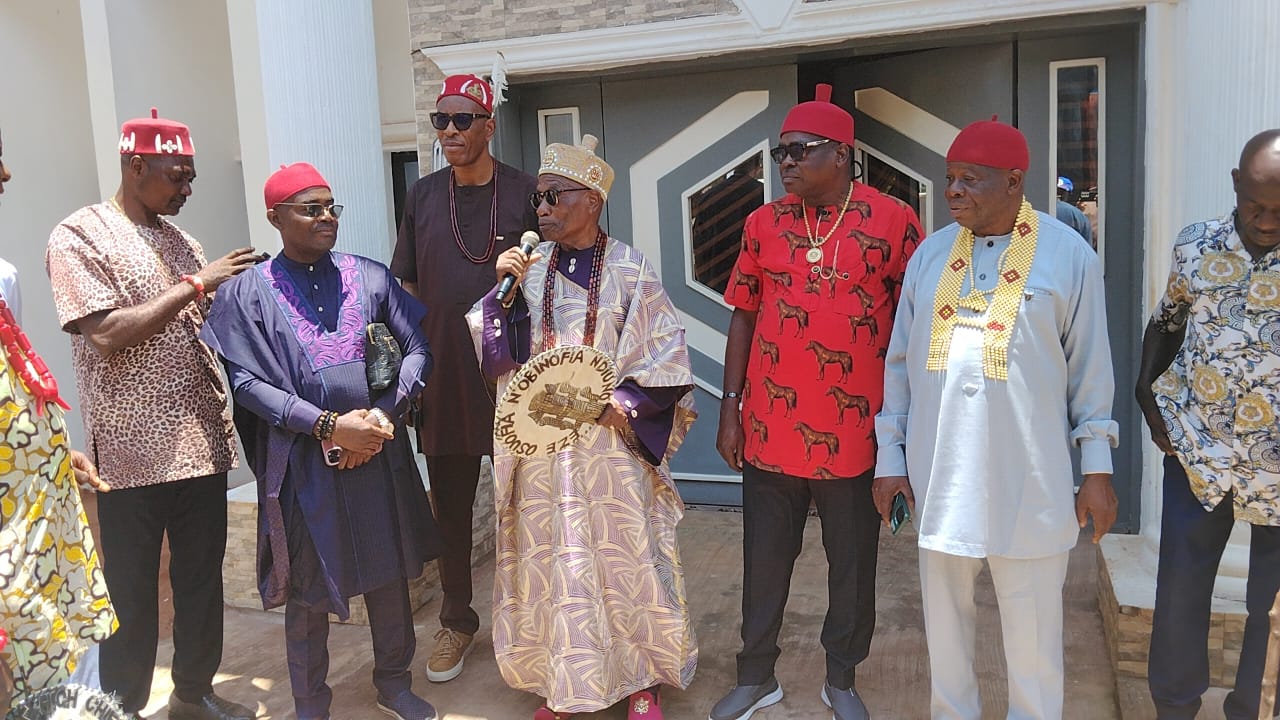
Natural & historical landmarks of Obinofia Ndiuno.
.jpeg)
The sacred waters and surrounding land.
The primary historical source is a scanned community history book. The scanned portion runs from book page 12 to page 72 (with page 63 missing and pages 1–11 not yet scanned). The raw OCR transcription of all 60 scanned pages has been assembled into the project archive.
archive\full-transcription.txtarchive\page-map.json / .csvarchive\extraction-report.mdarchive\extracted-text\page-NNN.txtMissing book material: pages 1–11 and page 63. The book cover, title page and front matter have not been scanned.